Chatroom Chronicles: How Collective Viewer Insights Shape Real-Time Decisions in Hybrid Gaming and Wagering Platforms
Written by Noah Butler · May 22, 2026
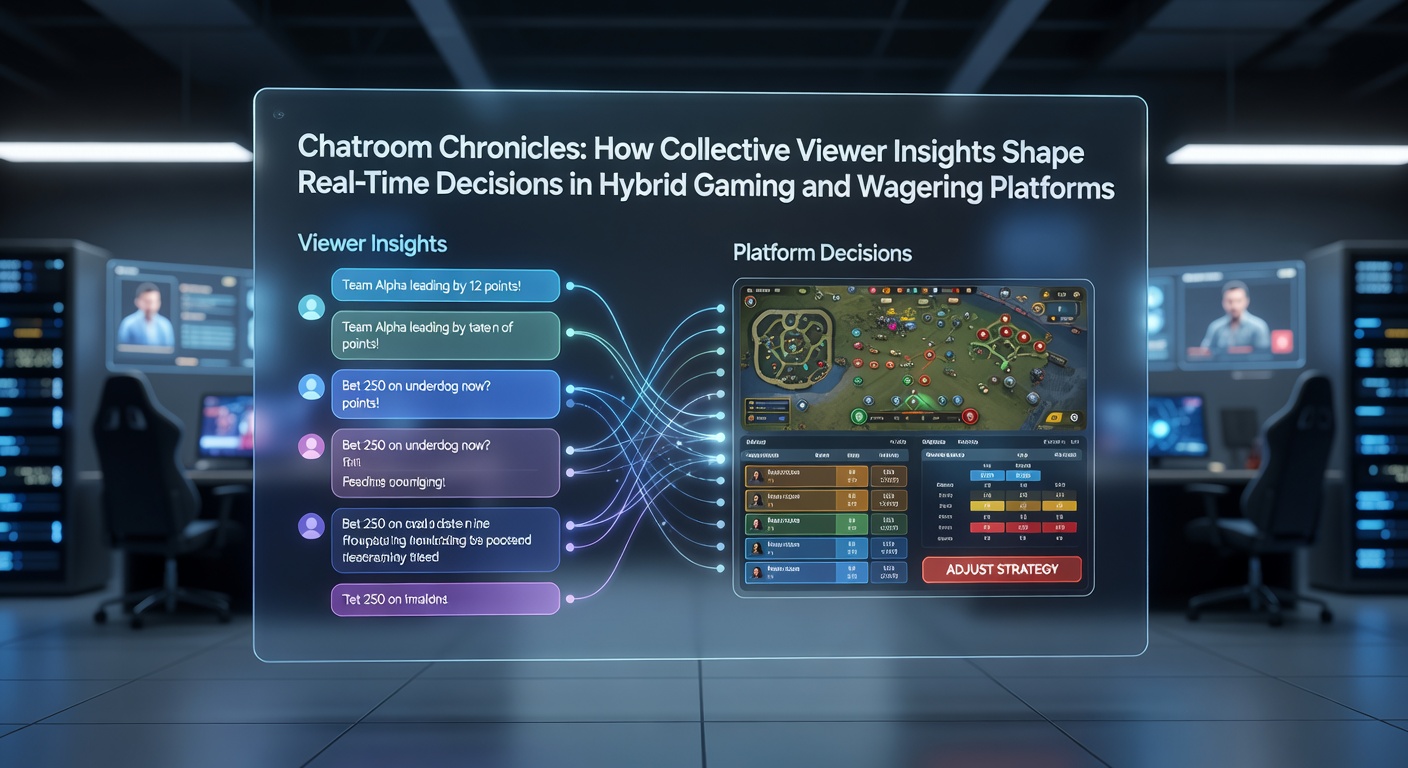
Chatroom Chronicles: How Collective Viewer Insights Shape Real-Time Decisions in Hybrid Gaming and Wagering Platforms
Hybrid gaming and wagering platforms have integrated live chat systems that aggregate viewer inputs into actionable data points for operators and participants alike, and this process has accelerated noticeably by May 2026. Platforms combine elements of competitive gaming broadcasts with wagering mechanics, allowing chat participants to contribute observations that influence everything from odds adjustments to in-game feature activations. Researchers at institutions such as the University of Nevada, Las Vegas have documented how these collective signals create feedback loops that operate faster than traditional data analytics alone.
Platform Architecture and Chat Integration
Modern hybrid systems rely on layered software that processes thousands of simultaneous messages while filtering for relevance through keyword clustering and sentiment mapping tools. Operators deploy these systems to monitor spikes in viewer activity that correlate with specific game moments, then feed the aggregated patterns directly into decision engines. Data from the iGaming Ontario regulatory reports shows that platforms handling mixed esports and live dealer content recorded a 47 percent increase in real-time feature toggles driven by chat volume between 2024 and 2026.
Viewers often cluster around shared predictions or observations, and algorithms translate this clustering into weighted inputs for betting interfaces. When a critical mass of messages highlights an emerging pattern, such as a player’s shift in strategy during a streamed match, the platform can surface adjusted wager options within seconds. This mechanism differs from static odds models because it incorporates live human commentary as a dynamic variable rather than relying solely on historical statistics.
Aggregation Methods and Decision Triggers
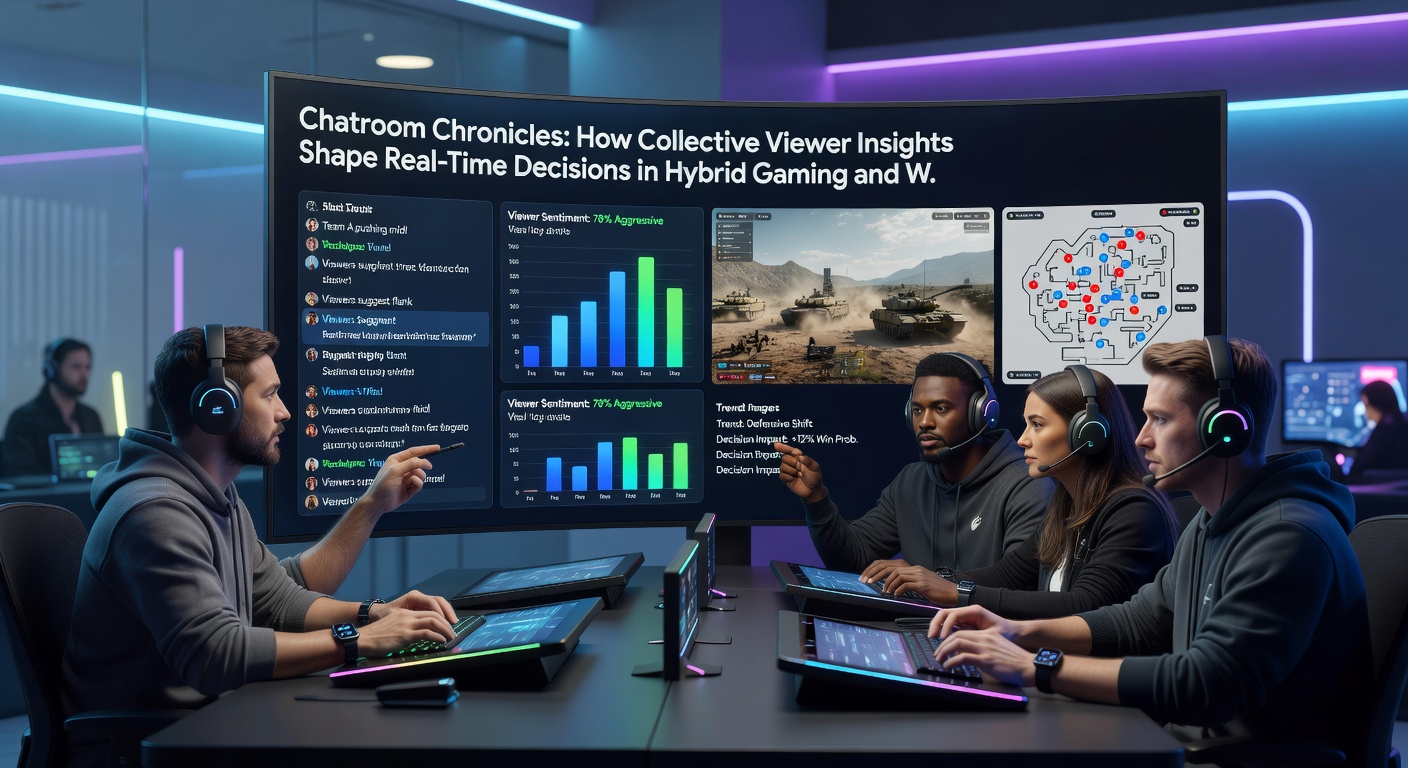
Collective insights reach operators through several technical pathways. Natural language processing engines categorize messages into themes such as risk assessment, momentum shifts, and rule interpretations, while timestamp correlations reveal which comments precede actual gameplay changes. In practice, a surge of chat activity around a particular outcome can prompt the system to open new betting markets or modify payout structures mid-event. Industry analyses from the European Gaming and Betting Association indicate that platforms using these triggers saw measurable lifts in session duration during peak hours in early 2026.
Moderation layers play an equally important role by surfacing verified or high-engagement comments to human supervisors who retain final authority over certain adjustments. This hybrid oversight prevents purely automated responses from amplifying noise while still allowing rapid reaction to genuine collective signals. Observers have noted that successful implementations maintain clear audit trails that link specific chat clusters to resulting platform decisions, supporting both regulatory compliance and internal performance reviews.
Regional Regulatory Context and Data Standards
Regulatory frameworks across jurisdictions have begun to address the use of viewer-generated data in wagering environments. Australian authorities, through the Australian Communications and Media Authority, have issued guidance requiring transparency around how chat-derived metrics influence odds or game parameters. Similar requirements appear in Canadian provincial rules, where operators must demonstrate that automated decisions based on collective inputs remain auditable and free from manipulation. These standards encourage platforms to publish methodology summaries that explain the weighting given to chat signals versus traditional statistical models.
By May 2026, several major platforms had implemented public dashboards displaying anonymized chat trend summaries alongside live wagering activity. Such transparency measures align with broader industry efforts to maintain trust while capitalizing on the speed advantages that collective viewer input provides. Figures released by research groups tracking iGaming adoption reveal consistent growth in markets where these hybrid feedback systems operate under clear disclosure rules.
Implementation Examples Across Content Types
One documented case involved a multi-game tournament stream where chat participants identified recurring tactical patterns in team positioning. The platform responded by introducing temporary side-bet options tied directly to those observed patterns, resulting in elevated engagement metrics tracked over several weeks. Another instance occurred during extended live dealer sessions when viewer messages flagged timing inconsistencies in card reveals; operators used the aggregated feedback to recalibrate streaming latency settings and maintain synchronization across distributed audiences.
These examples illustrate how chatroom data functions as an early-warning system rather than a replacement for professional analytics teams. Platforms continue to combine automated clustering with human review to ensure that adjustments reflect substantive trends instead of isolated spikes or coordinated attempts to influence outcomes.
Conclusion
Collective viewer insights have become a measurable component of real-time decision frameworks on hybrid gaming and wagering platforms. Technical aggregation methods, regulatory oversight, and practical case implementations together demonstrate how chatroom activity translates into platform adjustments that respond to live audience behavior. As these systems mature through 2026 and beyond, the emphasis remains on verifiable processes that balance speed with accountability across different regulatory environments.