Fan-Edited Montages from Live Dealer and Esports Content Emerge as Pattern Analysis Tools
Written by Logan Russell · Jun 21, 2026
Fan-Edited Montages from Live Dealer and Esports Content Emerge as Pattern Analysis Tools
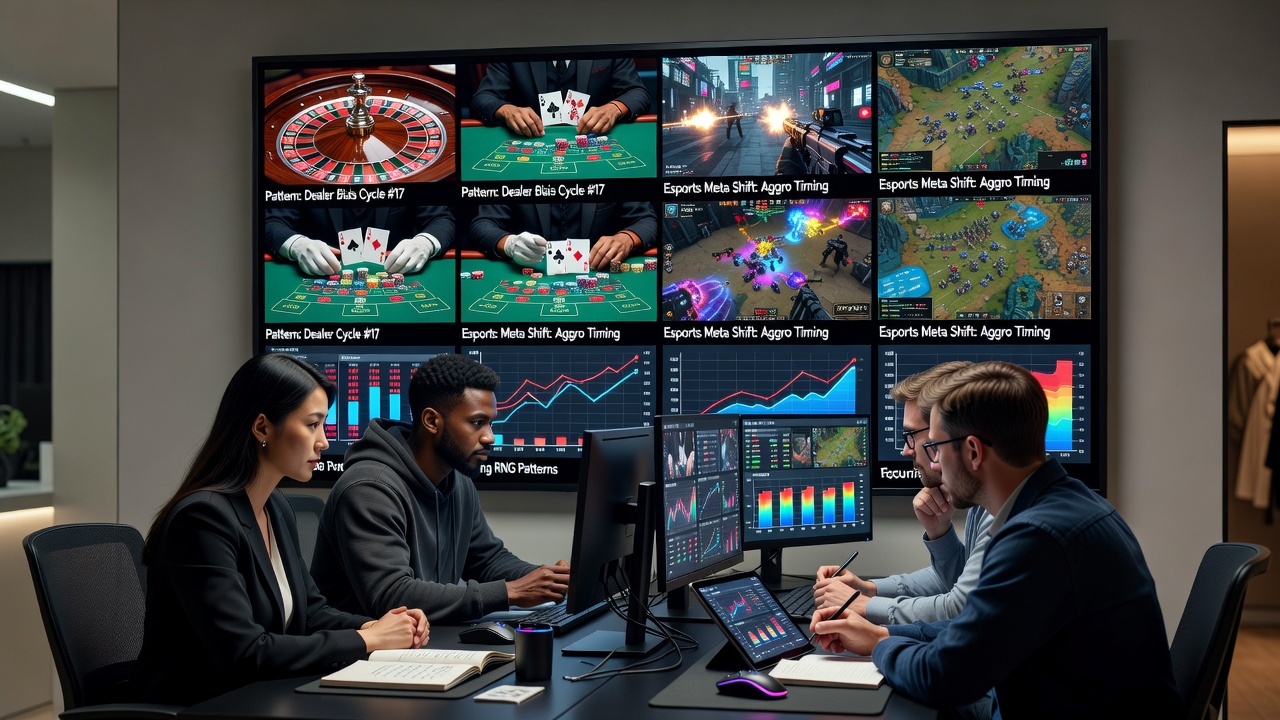
Communities centered on live dealer streams adn competitive gaming matches have developed collections of fan-edited montages that compile short sequences from multiple broadcasts, and these assemblies now function as reference materials for individuals examining recurring elements in gameplay timing and decision points. Dedicated viewers extract segments featuring specific dealer movements in blackjack or roulette alongside corresponding moments in esports titles such as League of Legends or Counter-Strike, then arrange them chronologically or thematically to highlight repeated structures that might otherwise remain dispersed across separate sessions.
Development of Montage Sharing Practices
By early 2025 certain online forums and private Discord servers began hosting repositories where contributors uploaded these edited sequences with timestamps and brief annotations indicating the observed elements, and the practice expanded through 2026 as file sizes became more manageable on standard broadband connections. In June 2026 several established servers reported daily uploads exceeding previous monthly totals, with contributors focusing on cross-referencing live dealer card reveals against objective control phases in arena-style esports matches. Participants coordinate through shared spreadsheets that list montage titles alongside the original stream sources, which allows others to verify the sequences without needing to rewatch full-length recordings that often exceed three hours.
Technical Approaches to Sequence Assembly
Editors typically employ free video software such as DaVinci Resolve or HitFilm Express to align clips according to audio cues or on-screen timers, and they apply consistent color grading across segments to reduce visual distraction during repeated viewings. One common method involves layering split-screen views that place a dealer’s hand motion on one side and an esports player’s mouse movement on the other, creating side-by-side comparisons that emphasize temporal similarities. Those who maintain the repositories often include metadata files containing frame counts and transition points, which simplifies later edits when new footage becomes available from ongoing tournaments or casino streams.
Distribution Channels and Access Patterns
Distribution occurs primarily through invite-only servers rather than public platforms, although some montages appear on video-hosting sites with restricted visibility settings. Access requires verification through prior participation in discussion threads, and moderators track contribution history to maintain quality standards. Data from one server administrator indicated that average monthly downloads per user reached 47 clips by mid-2026, reflecting steady engagement among a core group of roughly 1,200 active participants across multiple servers.
Applications in Pattern Examination
Viewers use the montages to isolate recurring intervals between dealer shuffles and player actions in table games, then compare those intervals against cooldown periods or ability activations in esports matches. This cross-context compilation allows observers to note consistent pacing structures that appear independent of the specific game rules. Researchers from the University of Nevada’s gaming studies program have documented similar compilation methods in academic papers examining viewer behavior around broadcast content, noting that such resources reduce the time required to locate comparable moments across hundreds of hours of raw footage. University of Nevada gaming research provides additional context on how edited sequences support systematic observation without altering the original broadcast material.
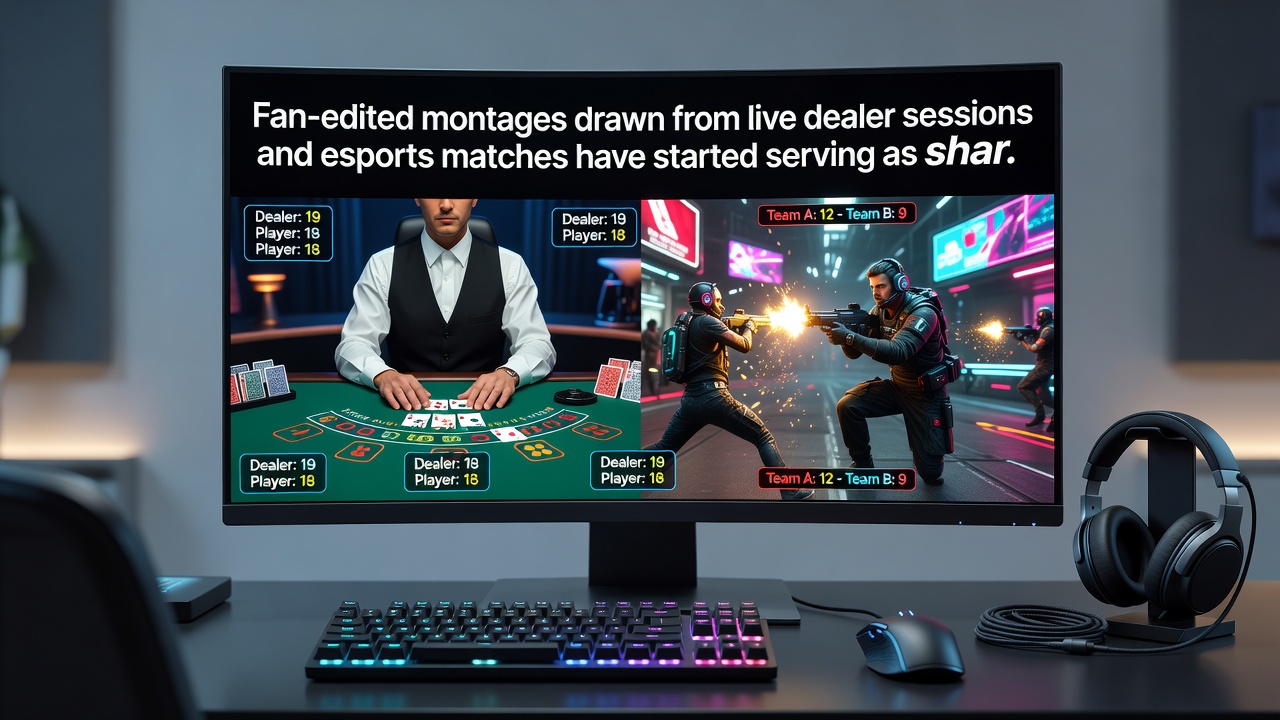
Contributors frequently add text overlays that mark specific transition points, such as the moment a roulette wheel slows or the instant an esports team initiates a push, and these annotations help subsequent viewers focus on the same segments during their own reviews. The resulting libraries contain thousands of individual clips organized by category, wth separate folders for timing-based sequences, visual transition examples, and audio-synchronized moments. Updates occur weekly, incorporating footage from newly concluded tournaments or extended dealer sessions that ran during peak viewing hours.
Community Governance and Quality Control
Server rules require that every uploaded montage include source links and duration details, and repeated submissions without proper attribution result in temporary posting restrictions. A rotating group of volunteer reviewers checks new uploads for technical issues such as audio desync or excessive compression artifacts before approving them for the main repository. This process maintains consistency across the collection while allowing contributors from different time zones to participate without central oversight. The Interactive Games & Entertainment Association has referenced community-driven content practices in industry reports on digital media consumption trends within gaming sectors. Interactive Games & Entertainment Association reports outline how such organized collections fit within broader patterns of user-generated analysis tools.
Conclusion
Fan-edited montages drawn from live dealer sessions and esports matches continue to accumulate as organized reference collections that support detailed pattern examination by dedicated viewers. The practice relies on coordinated sharing, technical standardization, and community moderation to sustain growth through June 2026 and beyond. These resources remain distinct from official broadcast materials yet draw directly from them, creating layered archives that facilitate repeated study without requiring constant access to original streams.